Water Damage Restoration in Allston, MA
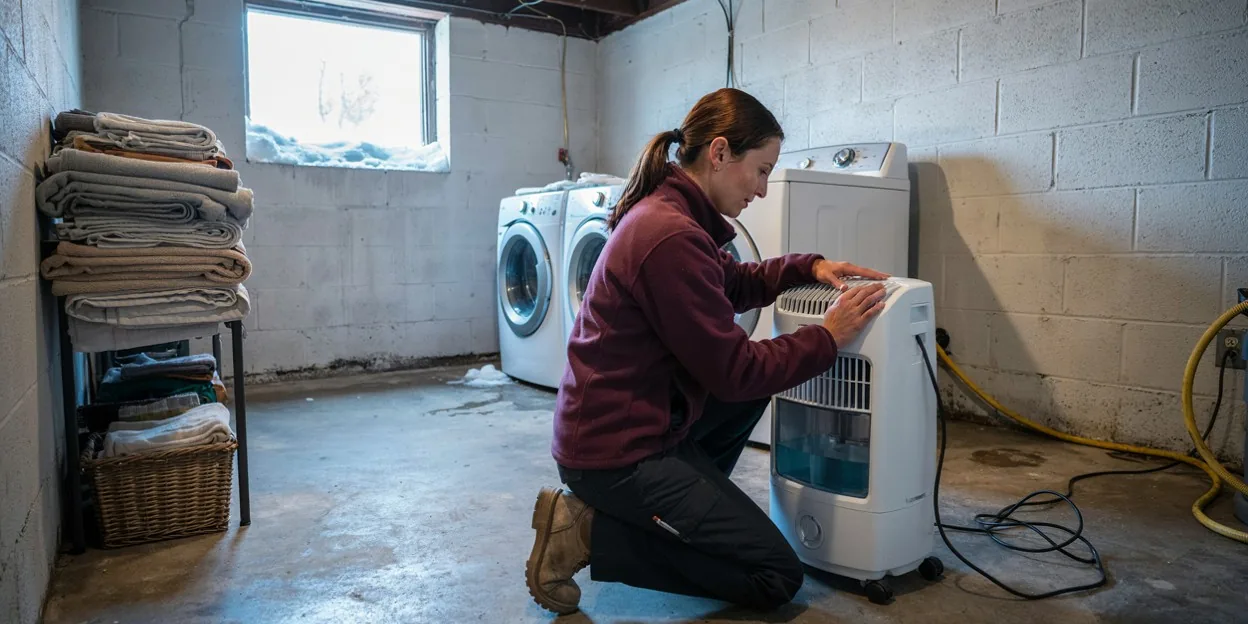
Allston is a neighborhood of triple-deckers and brick apartment blocks built between 1890 and 1925, most of them rented to students and turned over every September 1. The land slopes from the hill near Union Square down to the Charles River flats along Cambridge Street and Western Avenue, where the ground was marsh before it was filled. Cellars on the flats sit close to the river's water table, and cellars on the hill seep at the fieldstone joints after a storm.
High turnover makes Allston's water losses worse than the buildings alone would. A unit sits empty for a week in August with the heat off in winter or a washer hose left connected, and nobody sees the leak until the ceiling below lets go. The February 2023 freeze split pipes in cold bay windows across the neighborhood, and the combined sewers back up into basement drains on the low streets in a hard rain.
Allston water damage in a rental building
A triple-decker where a top-floor pipe froze in an empty unit is frozen pipe cleanup for the whole building, and the days it ran shape the scope. A stained plaster ceiling under an upstairs bathroom is ceiling water damage repair. Water in the basement laundry room after a storm starts with water extraction.
For an Allston landlord, the practical questions come first. Which unit is the water coming from, who has a key, and is the tenant reachable? Get the main valve shut in the cellar, photograph every unit that got wet, and write down when each tenant first noticed it. Student tenants move out on August 31 and in on September 1, and a loss found during the turnover week is often a week old. The crew works out from the meter readings how long the water ran, and that number shapes how far the drying has to reach.
Who handles a wet basement in an Allston rental
Water and sewer service comes from the Boston Water and Sewer Commission, and rebuild permits go through the city's Inspectional Services Department. Much of the neighborhood's rental stock houses students from Boston University, whose Charles River campus runs along the neighborhood's eastern edge, and landlords with tenants away for the summer are the ones who most often find a loss weeks after it started.
Call (857) 524-9927 now and tell us what you see. A local water damage provider serving Allston takes it from there.
Services Available in Allston
Water Extraction
Standing water pumped and vacuumed out of a flooded basement or a wet floor, then the first meter readings to see where it traveled.
Structural Drying
Air movers and dehumidifiers set by moisture readings, with checks until plaster, joists, and subfloor reach their target.
Basement Flooding Cleanup
Water pulled out of a fieldstone or brick basement, wet finishes and stored belongings sorted, and the space dried before it turns musty.
Frozen Pipe Cleanup
Cleanup after a pipe froze in an outside wall or a cold cellar and let go on the thaw, including the days it may have run unseen.
Burst Pipe Water Damage
The water a failed supply line or old galvanized pipe sent through floors, plaster, and the unit below, extracted and dried.
Sewage Cleanup
Sewer backup and black-water removal with protective gear, contained disposal, and disinfection of the surfaces that stay.
Ceiling Water Damage Repair
A stained or sagging plaster ceiling traced to the bathroom or radiator above, dried from both sides, and rebuilt.
Sump Pump Failure Cleanup
Basement water removed after a pump lost power or could not keep up with a spring rain, then the walls and floor dried out.