Water Damage Restoration in Weymouth, MA
Weymouth sits between two tidal rivers, the Fore River on the Quincy side and the Back River toward Hingham, with Whitman's Pond and a chain of brooks running through the middle. The housing is a mix: Victorians and two-families from the 1880s in Weymouth Landing and East Weymouth, and capes and ranches from the 1940s through the 1960s across South and North Weymouth, many with finished basements added later.
The water comes from below as often as from above. The rains of March 2010, more than a foot over two weeks, put groundwater into basements across the South Shore and kept sump pumps running for a month. North Weymouth, close to the Fore River and Wessagusset Beach, takes the edge of every coastal storm. Winter freezes reach the pipes in unheated additions and garages the same way they do in Boston.
Weymouth water damage, pond to river
A finished basement where the pump could not keep up with a spring rain is sump pump failure cleanup. A cape with a split pipe in a garage wall found after a cold weekend is frozen pipe cleanup. Either way, the water that soaked the bottom of the walls needs structural drying after the floor is dry.
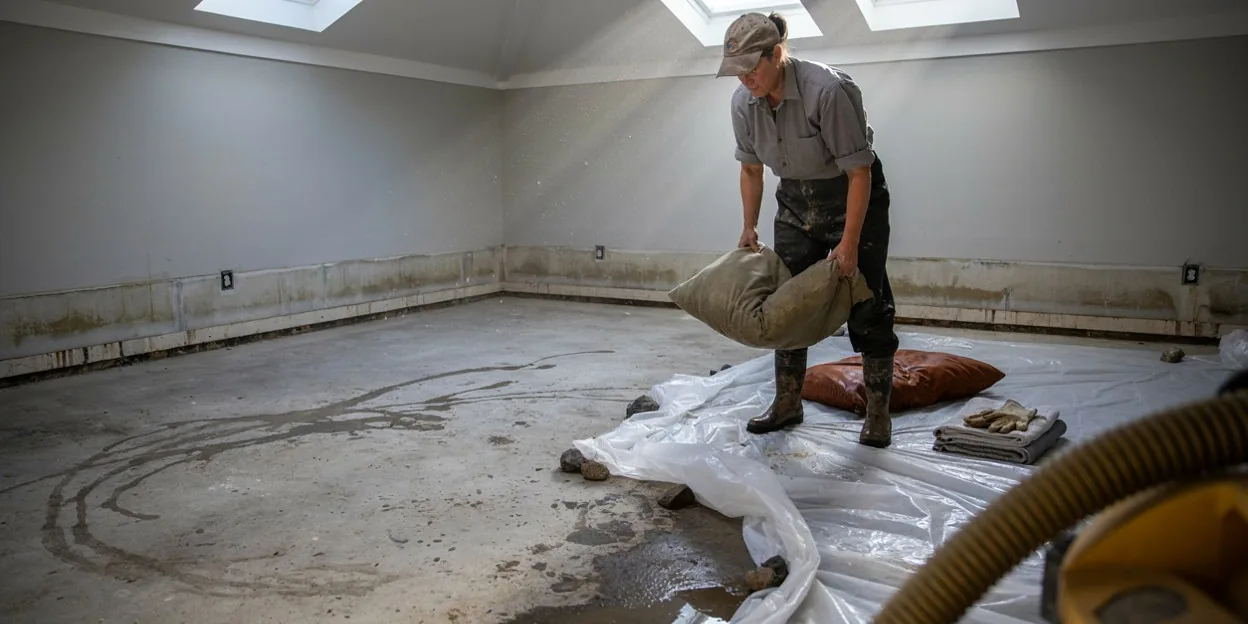
Many Weymouth basements were finished by the owners themselves in the 1970s and 1980s, with paneling nailed to strapping on the block wall and carpet laid on the slab. That build traps water in two layers nobody can see, and the paneling looks fine while the strapping behind it rots. When the crew arrives, ask them to meter the wall at the base and pull a panel where the reading is highest. Photograph the wall before they do. A cellar that smelled musty before the flood was already holding water, and the drying target has to account for that.
Where to call in Weymouth
The Town of Weymouth runs its own water supply from Great Pond and the Winter Street wells, and the Department of Public Works handles main breaks and sewer problems on the street side. Rebuild permits for plumbing, wiring, and drywall go through the town's Building Department.
Call (857) 524-9927 now and tell us what you see. A local water damage provider serving Weymouth takes it from there.
Services Available in Weymouth
Water Extraction
Standing water pumped and vacuumed out of a flooded basement or a wet floor, then the first meter readings to see where it traveled.
Structural Drying
Air movers and dehumidifiers set by moisture readings, with checks until plaster, joists, and subfloor reach their target.
Basement Flooding Cleanup
Water pulled out of a fieldstone or brick basement, wet finishes and stored belongings sorted, and the space dried before it turns musty.
Frozen Pipe Cleanup
Cleanup after a pipe froze in an outside wall or a cold cellar and let go on the thaw, including the days it may have run unseen.
Burst Pipe Water Damage
The water a failed supply line or old galvanized pipe sent through floors, plaster, and the unit below, extracted and dried.
Sewage Cleanup
Sewer backup and black-water removal with protective gear, contained disposal, and disinfection of the surfaces that stay.
Ceiling Water Damage Repair
A stained or sagging plaster ceiling traced to the bathroom or radiator above, dried from both sides, and rebuilt.
Sump Pump Failure Cleanup
Basement water removed after a pump lost power or could not keep up with a spring rain, then the walls and floor dried out.