Water Damage Restoration in Back Bay, MA
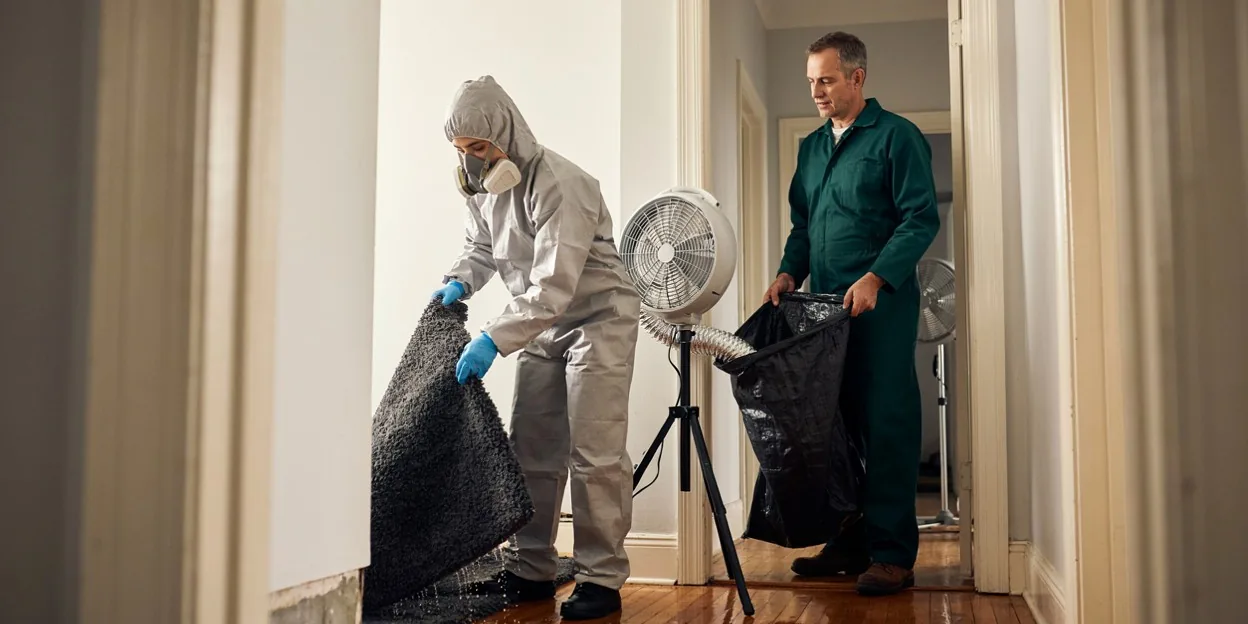
Back Bay was a tidal flat until 1857, when the city began filling it with gravel hauled by rail from Needham. The brownstones and brick rowhouses that went up on it between 1860 and 1900 stand on wood pilings driven into the fill, and the pilings stay sound only while they stay underwater. That makes Back Bay the one neighborhood in the city where a dry cellar is the warning sign; the groundwater is supposed to be a few feet below the basement floor, and it is.
The water losses are the ones a rowhouse gets. Supply lines and radiator returns run through the cold front wall behind the bay window, and the February 2023 freeze split them from Arlington Street to Massachusetts Avenue. Flat roofs held the snow of 2015 and leaked through top-floor plaster for weeks. Most buildings are condos now, and a leak on the fourth floor is a ceiling on the third and a wet closet on the second, with the condo documents deciding who pays for what.
Back Bay water damage in a rowhouse
A frozen radiator line in a front wall is frozen pipe cleanup, and the party wall means the neighbor's cavity gets metered. A stained or sagging plaster ceiling with its medallion under the unit above is ceiling water damage repair, and the crew should know about the original trim before the first cut. Water pooled in a garden-level unit starts with water extraction.
The practical steps in a Back Bay rowhouse start with the neighbors. Knock on both sides, because a frozen line in one front wall can leave the next house's cavity wet, and notify the condo association in writing the same day. Tell the crew about original plaster, cornices, medallions, and parquet before the first cut; sound plaster that meters dry can often stay while the soft section comes down. Keep the plumber's note about what failed, because the master policy and the unit policies split the loss along lines the condo documents spell out.
Permits, pilings, and who signs off in Back Bay
Water and sewer service comes from the Boston Water and Sewer Commission, and rebuild permits go through the city's Inspectional Services Department, with exterior work also reviewed by the Back Bay Architectural Commission. The Boston Public Library in Copley Square, finished in 1895, stands on the same filled land and the same kind of pilings as the rowhouses around it.
Call (857) 524-9927 now and tell us what you see. A local water damage provider serving Back Bay takes it from there.
Services Available in Back Bay
Water Extraction
Standing water pumped and vacuumed out of a flooded basement or a wet floor, then the first meter readings to see where it traveled.
Structural Drying
Air movers and dehumidifiers set by moisture readings, with checks until plaster, joists, and subfloor reach their target.
Basement Flooding Cleanup
Water pulled out of a fieldstone or brick basement, wet finishes and stored belongings sorted, and the space dried before it turns musty.
Frozen Pipe Cleanup
Cleanup after a pipe froze in an outside wall or a cold cellar and let go on the thaw, including the days it may have run unseen.
Burst Pipe Water Damage
The water a failed supply line or old galvanized pipe sent through floors, plaster, and the unit below, extracted and dried.
Sewage Cleanup
Sewer backup and black-water removal with protective gear, contained disposal, and disinfection of the surfaces that stay.
Ceiling Water Damage Repair
A stained or sagging plaster ceiling traced to the bathroom or radiator above, dried from both sides, and rebuilt.
Sump Pump Failure Cleanup
Basement water removed after a pump lost power or could not keep up with a spring rain, then the walls and floor dried out.