Water Damage Restoration in Winthrop, MA
Winthrop is a peninsula with the ocean on three sides and one road in, and every house on it is close to salt water. The housing is Victorian summer cottages from the 1880s through the 1920s, most winterized long ago, along with two-families and capes on the higher ground in the center of town. Point Shirley, Winthrop Shore Drive, and the streets along the harbor side face the water directly.
The Blizzard of 1978 broke the seawall and flooded the town. The January 4, 2018 nor'easter put water over Winthrop Shore Drive and into basements along the ocean side, and the March storms that year did it again. Between storms, the wind off the water finds the pipes in an uninsulated porch wall, and the February 2023 freeze split lines in houses across the town.
Winthrop water damage on a peninsula
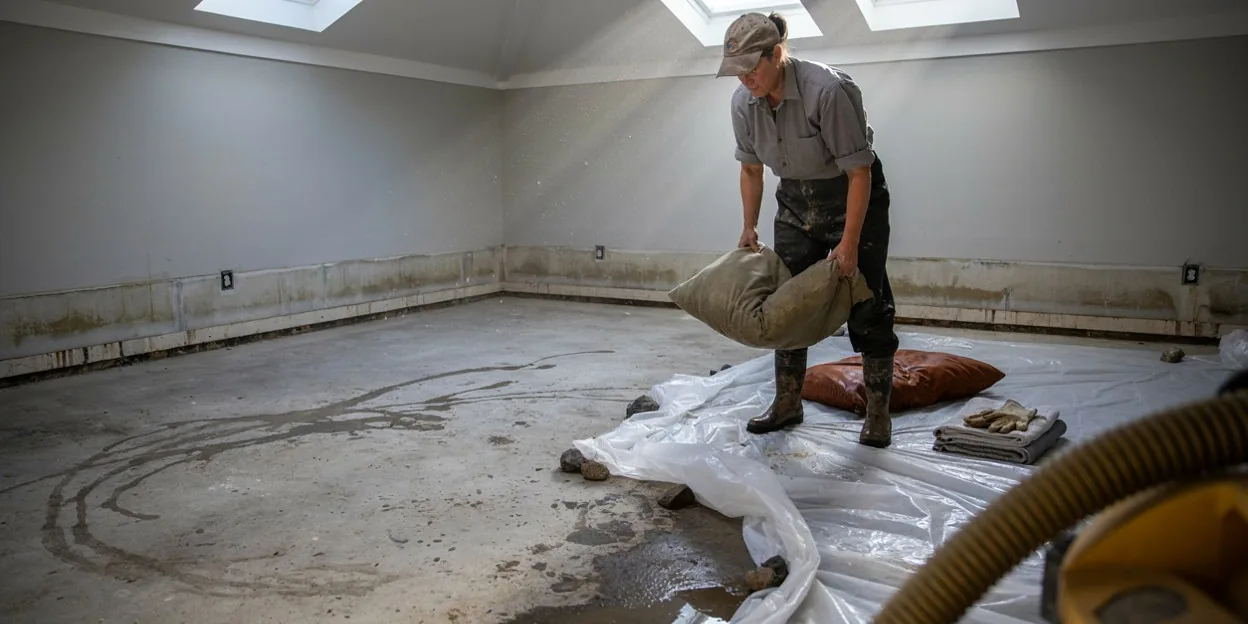
Seawater in a cellar after a storm is basement flooding cleanup, treated as contaminated water. A converted cottage with a split pipe found on a cold Monday is frozen pipe cleanup. Once the water is out, the stone and brick cellars here hold damp longer than most, and structural drying has to be run by the meter.
Winthrop's older houses were built as summer places, and it shows when the cold comes. Pipes run through porch walls and under floors with no insulation, and a converted cottage that sits empty in January is where a frozen line runs longest. If you own a second home here, ask a neighbor with a key to check the cellar after a hard freeze. When a loss is found, photograph the wall and the floor, shut the main, and let the crew work out from the meter readings how long the water ran, because that number decides how far the drying has to reach.
Peninsula water service and permits in Winthrop
Water and sewer service runs through the Town of Winthrop, whose public works department handles main breaks and sewer backups on the street side, and whose building department issues rebuild permits. Across the causeway on Deer Island, the MWRA plant treats the sewage of the whole metropolitan area within sight of Point Shirley.
Call (857) 524-9927 now and tell us what you see. A local water damage provider serving Winthrop takes it from there.
Services Available in Winthrop
Water Extraction
Standing water pumped and vacuumed out of a flooded basement or a wet floor, then the first meter readings to see where it traveled.
Structural Drying
Air movers and dehumidifiers set by moisture readings, with checks until plaster, joists, and subfloor reach their target.
Basement Flooding Cleanup
Water pulled out of a fieldstone or brick basement, wet finishes and stored belongings sorted, and the space dried before it turns musty.
Frozen Pipe Cleanup
Cleanup after a pipe froze in an outside wall or a cold cellar and let go on the thaw, including the days it may have run unseen.
Burst Pipe Water Damage
The water a failed supply line or old galvanized pipe sent through floors, plaster, and the unit below, extracted and dried.
Sewage Cleanup
Sewer backup and black-water removal with protective gear, contained disposal, and disinfection of the surfaces that stay.
Ceiling Water Damage Repair
A stained or sagging plaster ceiling traced to the bathroom or radiator above, dried from both sides, and rebuilt.
Sump Pump Failure Cleanup
Basement water removed after a pump lost power or could not keep up with a spring rain, then the walls and floor dried out.